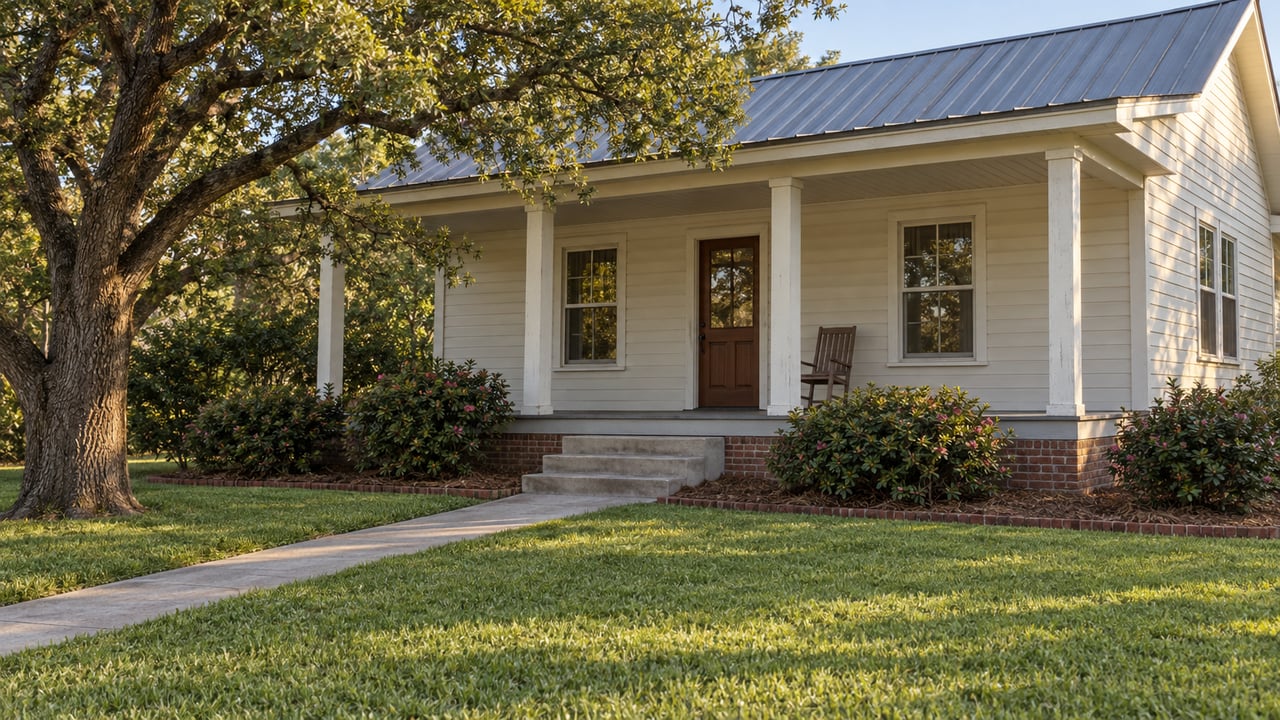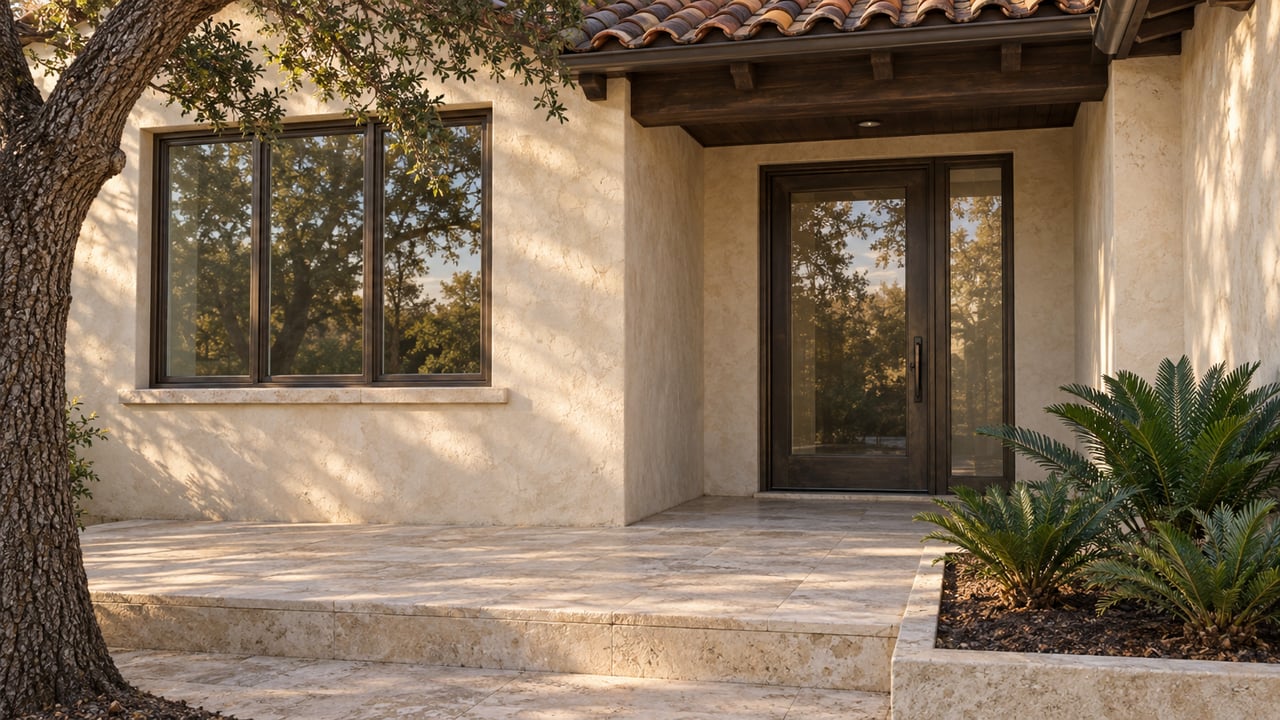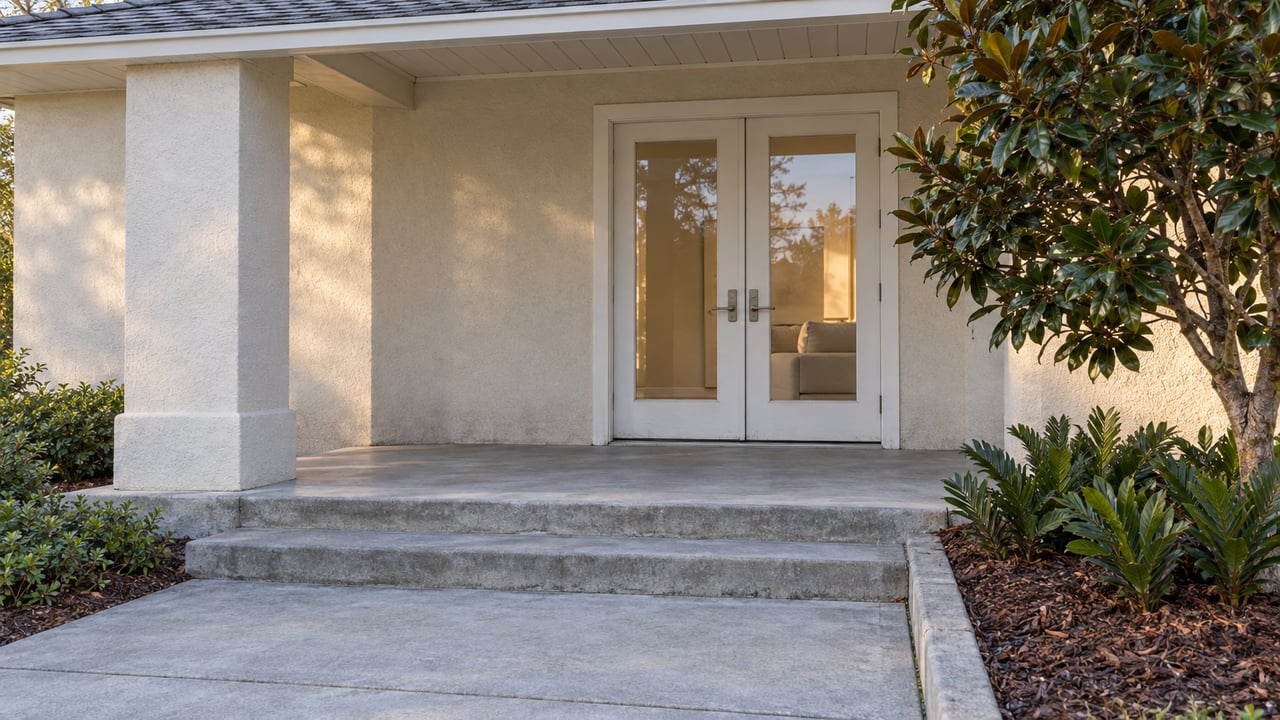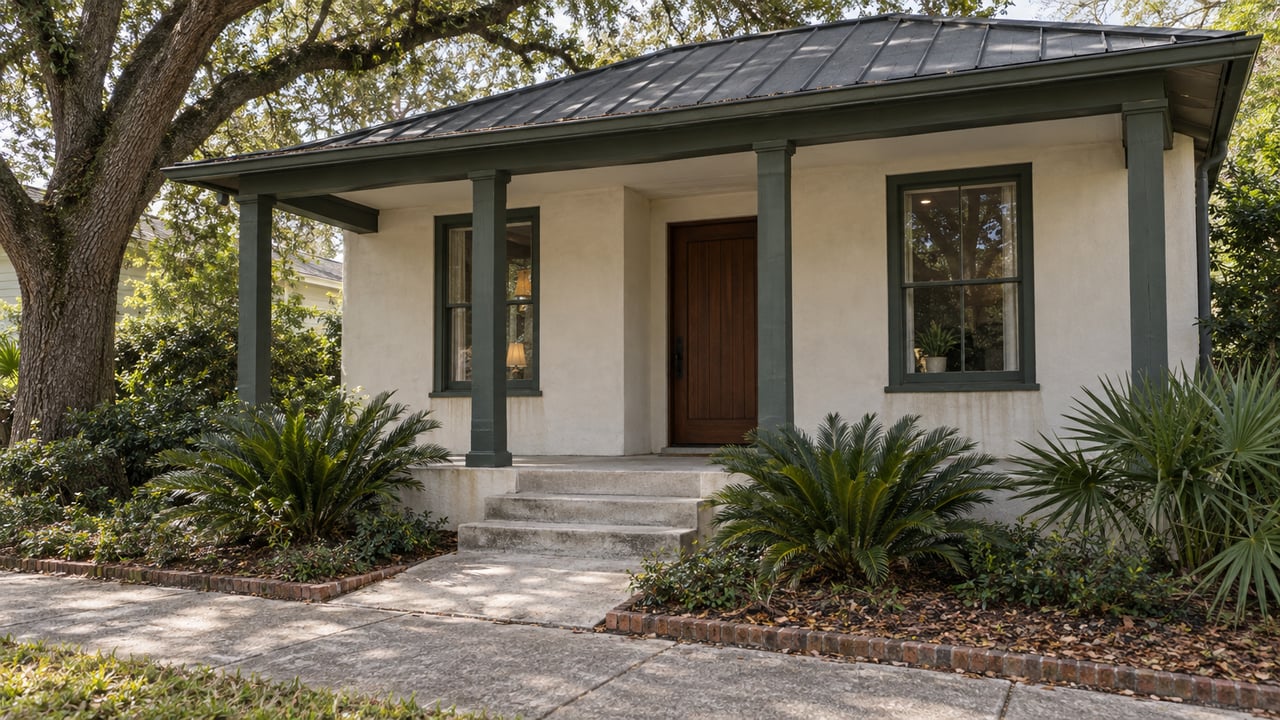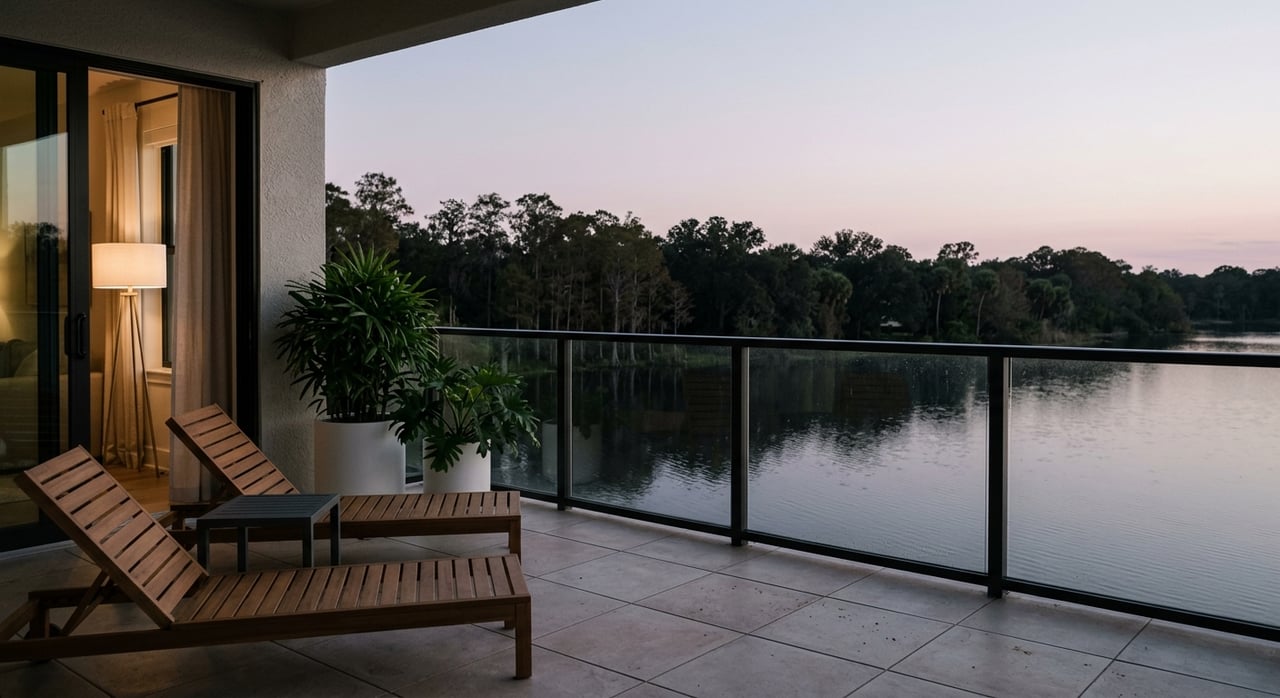
Trying to choose between a condo, townhome, or house in Winter Park? That decision is about more than square footage. It shapes how much upkeep you handle, how close you are to parks and downtown destinations, and how flexible your day-to-day life feels. If you are weighing lifestyle as much as layout, this guide will help you compare your options clearly. Let’s dive in.
Why the choice matters in Winter Park
Winter Park offers a very specific kind of lifestyle. The city describes itself as a compact, amenity-rich place with arts and culture, a chain of lakes, parks, and established walking and cycling routes such as the Cady Way Trail, Downtown Pedestrian Walk, and Lake Baldwin Trail. In a city like this, your home type can directly affect how you experience daily life.
That is especially true because Winter Park is relatively small, at about 10 square miles with more than 30,000 residents. If you want to be close to downtown activity and a more walkable routine, a condo or townhome may line up well with your goals. If you want more separation, outdoor space, and control, a detached house may be the better fit.
Winter Park housing at a glance
Winter Park’s housing mix helps explain why buyers often compare these three options closely. According to the city’s housing analysis, single-family homes make up 68.8% of the housing stock, while multi-family units make up 31.1%. That means detached homes still dominate, but condos and other attached housing play a meaningful role in the market.
The city also reports that about 66.8% of occupied homes are owner-occupied. It has a notable share of one-person and two-person households, which helps explain why lower-maintenance options can be appealing for downsizers, seasonal residents, and buyers who do not want a large home to manage.
Another factor is supply. Winter Park estimates that only 247.86 acres of vacant land remain, and planning documents note that redevelopment pressure and land values are encouraging higher-density and mixed-use housing near commercial and employment areas. In simple terms, that can make attached housing more relevant over time, especially near active corridors.
Condo lifestyle in Winter Park
What condo living usually offers
A condo is often the easiest lock-and-leave option. If you travel often, split time between homes, or simply do not want to spend weekends on exterior upkeep, that can be a major advantage. In Winter Park, that low-maintenance setup can pair nicely with a lifestyle centered on downtown amenities, parks, and local trail connections.
Florida law generally places maintenance of common elements on the condominium association. That can reduce the amount of hands-on work you have to manage personally. For many buyers, that trade is worth it when convenience matters more than private yard space.
What to watch in condo costs
Low maintenance does not mean low responsibility. Monthly carrying costs may include association dues and reserve funding, and some condo buildings may face special assessments if reserves are not enough for needed repairs. That is why reviewing the association’s budget and financial health matters just as much as touring the unit itself.
Florida also requires certain residential condo buildings that are three or more habitable stories tall to undergo milestone inspections and structural integrity reserve studies. For you as a buyer, that means it is smart to ask detailed questions about recent inspections, reserve studies, and any planned projects before making an offer.
Who a condo may suit best
A condo can be a strong fit if you want:
- A lower-maintenance home base
- Easier lock-and-leave ownership
- Proximity to downtown Park Avenue, arts venues, and parks
- Less exterior upkeep responsibility
- A lifestyle focused more on convenience than private outdoor space
If your ideal routine includes walking, biking, dining out, and keeping home tasks simple, condo living may check a lot of boxes.
Townhome lifestyle in Winter Park
Why townhomes sit in the middle
Townhomes usually land between condos and detached homes in both feel and responsibility. You may get a private entry and some limited outdoor space, while still keeping a smaller footprint than a traditional house. In Winter Park, that balance can appeal to buyers who want to stay near walkable areas without taking on full-scale property maintenance.
That middle-ground lifestyle is part of the appeal. A townhome can feel more private than a condo, but it still often includes recurring fees and shared-community obligations through an HOA.
What to review before buying a townhome
Florida HOA law allows assessments that can fund common areas, amenities, and other community-serving property. In practice, that means the details matter. One townhome community may cover exterior maintenance and landscaping, while another may leave more responsibility with the owner.
Before you buy, review:
- What the HOA fee covers
- Community rules and restrictions
- The current budget and any fee increases
- Reserve funding, if applicable
- Your maintenance responsibilities versus the HOA’s
Townhomes can be a smart fit, but only when the rules and costs match your expectations.
Who a townhome may suit best
A townhome may work well if you want:
- A smaller footprint than a detached house
- More privacy than a typical condo
- A private entrance
- Some outdoor space without a large yard
- Access to Winter Park amenities with less upkeep than a house
For many buyers, it offers a practical compromise between convenience and independence.
House lifestyle in Winter Park
Why buyers still choose detached homes
Single-family homes remain the dominant housing type in Winter Park, and for many buyers, they offer the clearest path to privacy and flexibility. If you want more control over your property, more separation from neighbors, or space for hobbies, pets, a pool, or future updates, a house usually gives you the most freedom.
That independence is a big reason detached homes continue to hold strong appeal. You are not typically relying on an association to make many of the day-to-day maintenance decisions. You can usually shape the property more directly around your lifestyle.
The tradeoff with older housing stock
Winter Park’s housing stock is older than Orange County’s overall stock, with a large share built in the 1950s through 1970s. That can be a plus if you value established areas and older homes with character. It can also mean more renovation, repair, or system-upgrade needs over time.
The city’s planning documents also note redevelopment pressure and neighborhood-character concerns when older homes are replaced by larger, higher-value structures. For buyers, that means the detached-home option may offer the most freedom, but it can also require more careful evaluation of long-term upkeep and future investment.
Who a house may suit best
A detached home may be the best fit if you want:
- Maximum privacy
- More control over the lot and outdoor space
- Flexibility for pets, hobbies, or additions
- Fewer shared walls and common-area obligations
- Direct control over maintenance timing and decisions
If you value space and independence more than convenience, a house may feel like the right lifestyle match.
Comparing ownership costs
No matter which property type you prefer, it helps to compare costs in three buckets: mortgage and taxes, association dues, and maintenance or repairs. Looking at all three gives you a more realistic picture than focusing only on the sale price.
Winter Park pricing also sits above the broader county average based on the market summary provided. Average price in Winter Park is listed at $1,681,600 compared with a county average of $642,300. Average property taxes are listed at $9,900 in Winter Park versus $5,900 countywide, and average home size is 2,604 square feet versus 2,050 square feet in the county.
Property taxes in Florida
In Orange County, the property appraiser determines value and exemptions, while the tax collector bills and collects property taxes. Florida’s homestead exemption can reduce taxable value by up to $50,000, and the Save Our Homes cap limits annual assessed-value increases on homesteaded property to the lower of 3% or CPI.
That matters because two similar homes can carry very different tax bills depending on assessed value and exemption status. If you are comparing a condo, townhome, and house, be sure to look beyond list price and estimate the full monthly payment.
A simple side-by-side lens
Here is a practical way to compare your options:
| Property Type | Upkeep | Fees | Privacy | Outdoor Space |
|---|---|---|---|---|
| Condo | Lowest personal upkeep | Usually highest shared-fee structure | Lowest | Limited |
| Townhome | Moderate | HOA fees vary by community | Moderate | Limited to modest |
| House | Highest personal upkeep | May have no association fees in some cases | Highest | Most |
This kind of comparison can help you focus on fit, not just features.
How to choose the right fit
If you feel stuck, start with your routine instead of your wish list. Winter Park is a place where lifestyle can drive the housing decision more than the number of bedrooms alone. The right home is often the one that supports how you actually want to live.
Ask yourself:
- How much time do I want to spend on upkeep?
- Do I want a lock-and-leave property?
- How much outdoor space will I truly use?
- Am I comfortable with association rules and recurring fees?
- Do I want to be closer to downtown activity and trail access, or do I prefer more privacy?
These questions can quickly narrow your options. A condo may make the most sense if ease and location come first. A townhome may fit if you want balance. A house may be right if control and space matter most.
Choosing between a condo, townhome, and house in Winter Park is not about picking the “best” property type. It is about finding the best match for your budget, your routines, and the level of maintenance you want to take on. When you look at the decision through that lens, the right answer usually becomes much clearer.
If you want patient, step-by-step guidance as you compare your options in Central Florida, Rebecca Simms is here to help you make a confident move.
FAQs
What is the main lifestyle difference between a condo and a house in Winter Park?
- A condo usually offers a lower-maintenance, lock-and-leave lifestyle closer to shared amenities, while a house usually offers more privacy, more control, and more direct maintenance responsibility.
What should buyers review before purchasing a Winter Park condo?
- Buyers should review association dues, reserve funding, recent budgets, any planned special assessments, and whether the building has completed required inspections or structural reserve studies when applicable.
Are townhomes in Winter Park a good middle-ground option?
- Yes, townhomes often give you more privacy and a private entry than a condo, while still requiring less upkeep than a detached house, though HOA rules and fees should be reviewed carefully.
Why do older homes matter when buying a house in Winter Park?
- Winter Park has an older housing stock than Orange County overall, with many homes built from the 1950s through the 1970s, so buyers should factor in possible renovation and maintenance needs.
How do property taxes affect Winter Park home affordability?
- Property taxes can change your monthly cost significantly because taxes depend on assessed value, exemptions, and local rates, and homestead benefits may reduce taxable value for eligible owners.