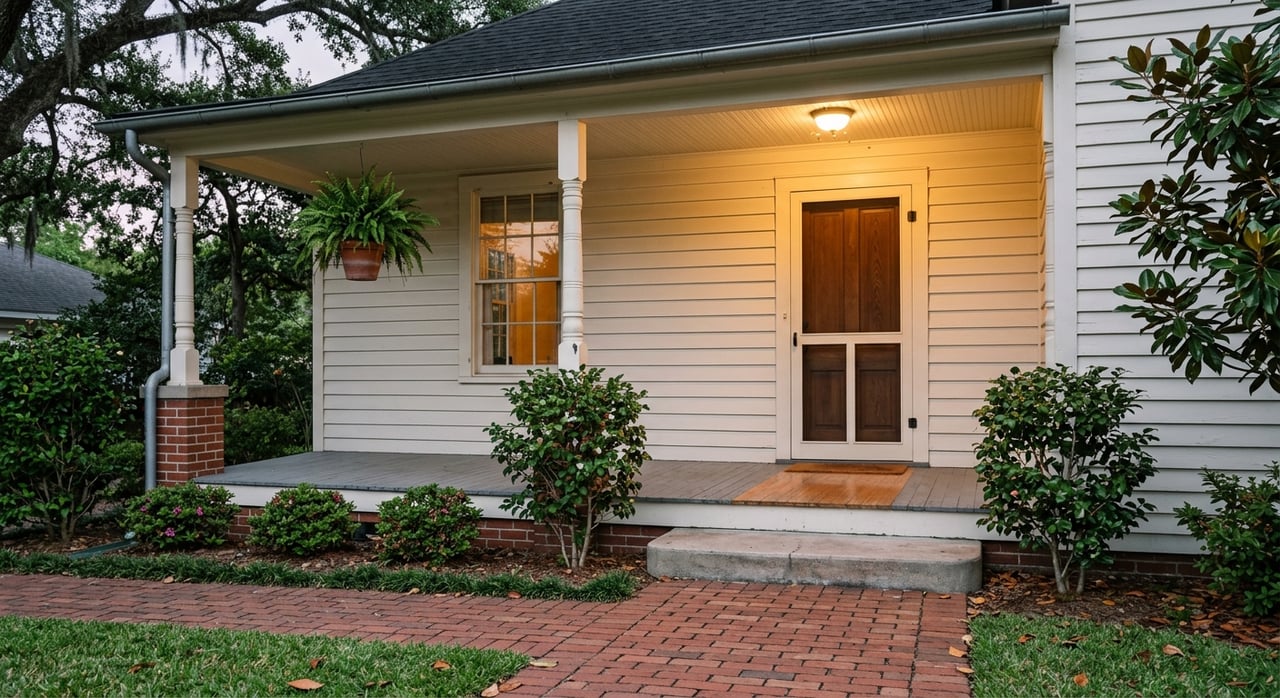
Dreaming about a historic home in Mount Dora? You are not alone. The charm is easy to love, but buying an older home here also means understanding local preservation rules, maintenance needs, and a few Florida-specific insurance questions before you close. If you want the character without avoidable surprises, this guide will help you know what to look for and what to ask. Let’s dive in.
What Makes a Home Historic in Mount Dora?
In Mount Dora, “historic” can mean a few different things. The city’s historic district reflects the community’s development, with a period of significance that runs roughly from 1877 to 1959. That means you may see homes from several eras, not just one architectural style.
A key point for buyers is that National Register status and local regulation are not the same thing. Mount Dora states that National Register listing does not by itself affect appraisals, taxes, or create local regulatory impact. What matters most for day-to-day ownership is whether the property falls within the city’s local historic review area.
Why Local Review Matters
Mount Dora’s historic preservation review area is generally centered around downtown and nearby blocks, bounded by Eleventh Avenue on the north, Highland Street on the east, First Avenue on the south, and Helen Street on the west. If a home is in this area, proposed exterior alterations, additions, and demolition requests may require review through a Certificate of Appropriateness, often called a COA.
That matters because buying a historic home here is about more than curb appeal. You are also buying into a preservation-oriented ownership model. In practical terms, that usually means maintaining and repairing historic materials when possible instead of replacing them simply for convenience.
Architectural Styles You May See
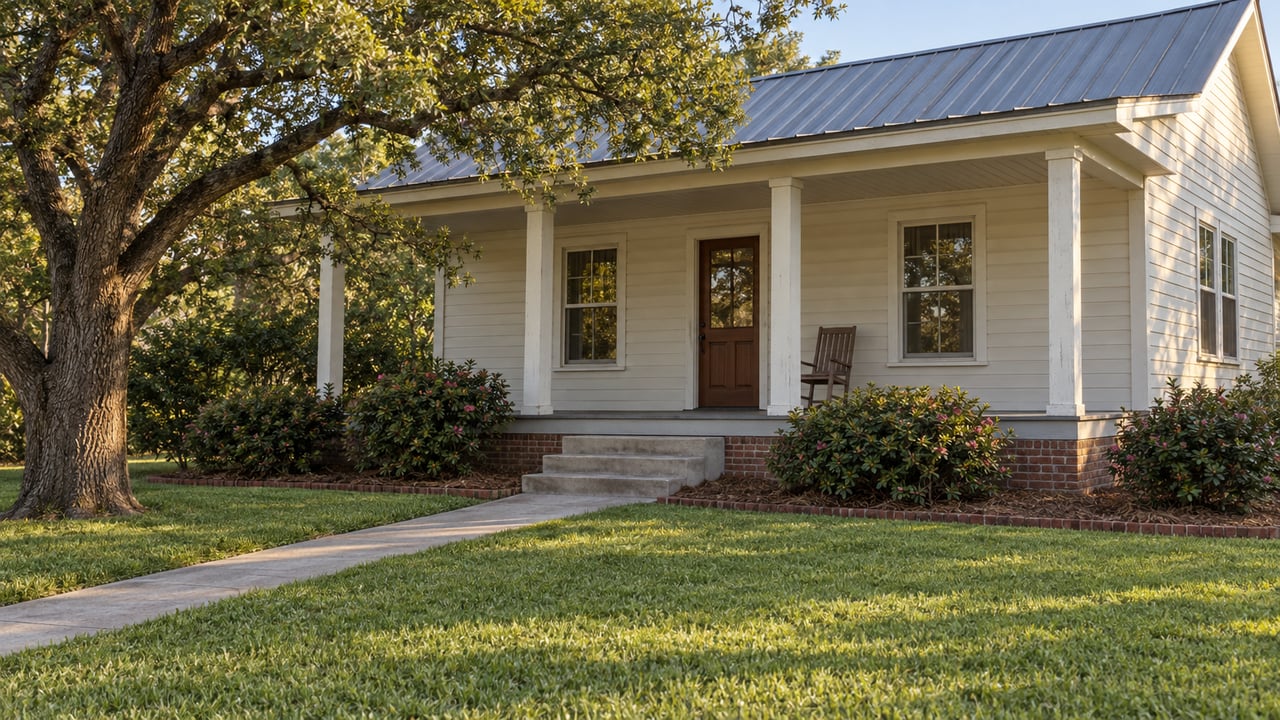
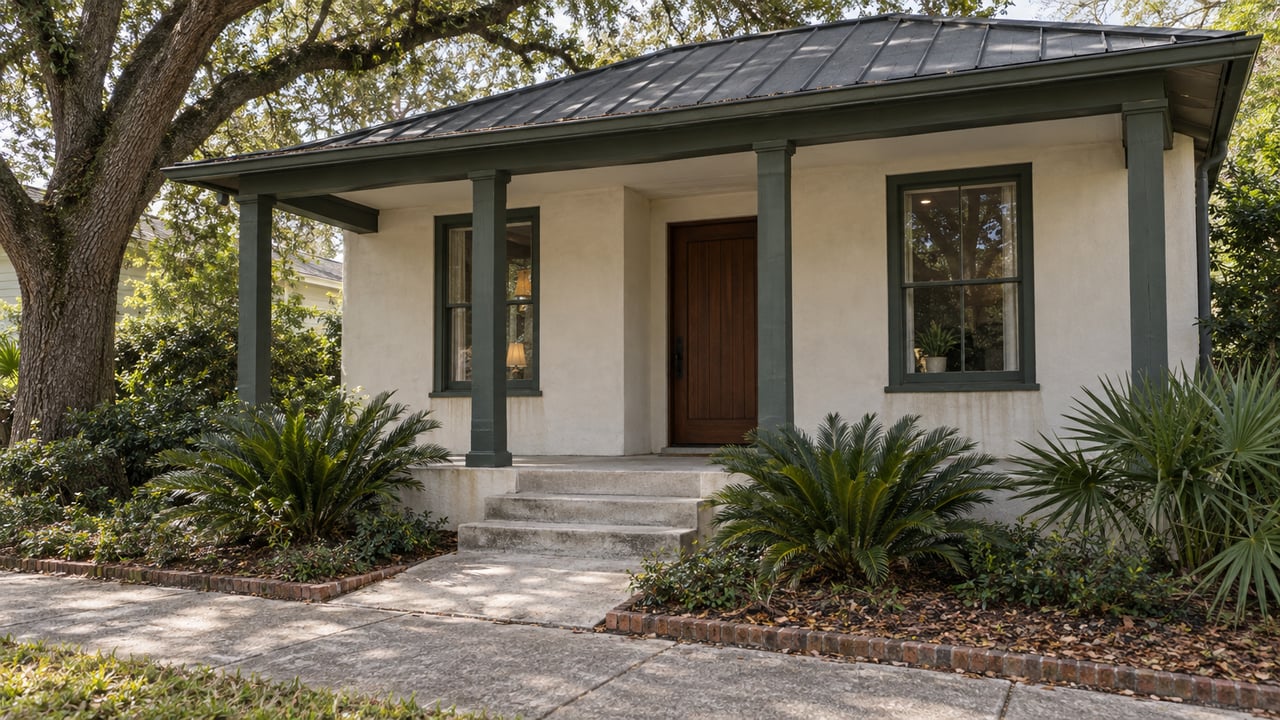
One of the fun parts of shopping for a historic home in Mount Dora is the variety. The city identifies several primary styles in the district, including Frame Vernacular, Folk Victorian, Masonry Vernacular, Craftsman, Craftsman Bungalow, Colonial Revival, Minimal Traditional, and Ranch. Other notable influences include Queen Anne and Mission Revival.
That mix creates a streetscape with real personality. You may tour an ornate late-Victorian home one day and a simpler bungalow or vernacular cottage the next. Mount Dora’s history also highlights local examples like the 1893 Queen Anne-style Donnelly home and the Mediterranean-style Community Building that opened in 1929.
Craftsman and Bungalow Features
Craftsman and bungalow homes in Mount Dora often include:
- Low-pitched gabled roofs
- Wide eave overhangs
- Exposed rafters
- Tapered porch supports
- Full-width or partial-width porches
These details are a big part of the appeal. They can also become a big part of your upkeep plan, especially when porches, trim, and rooflines need regular attention.
Queen Anne and Mission Revival Cues
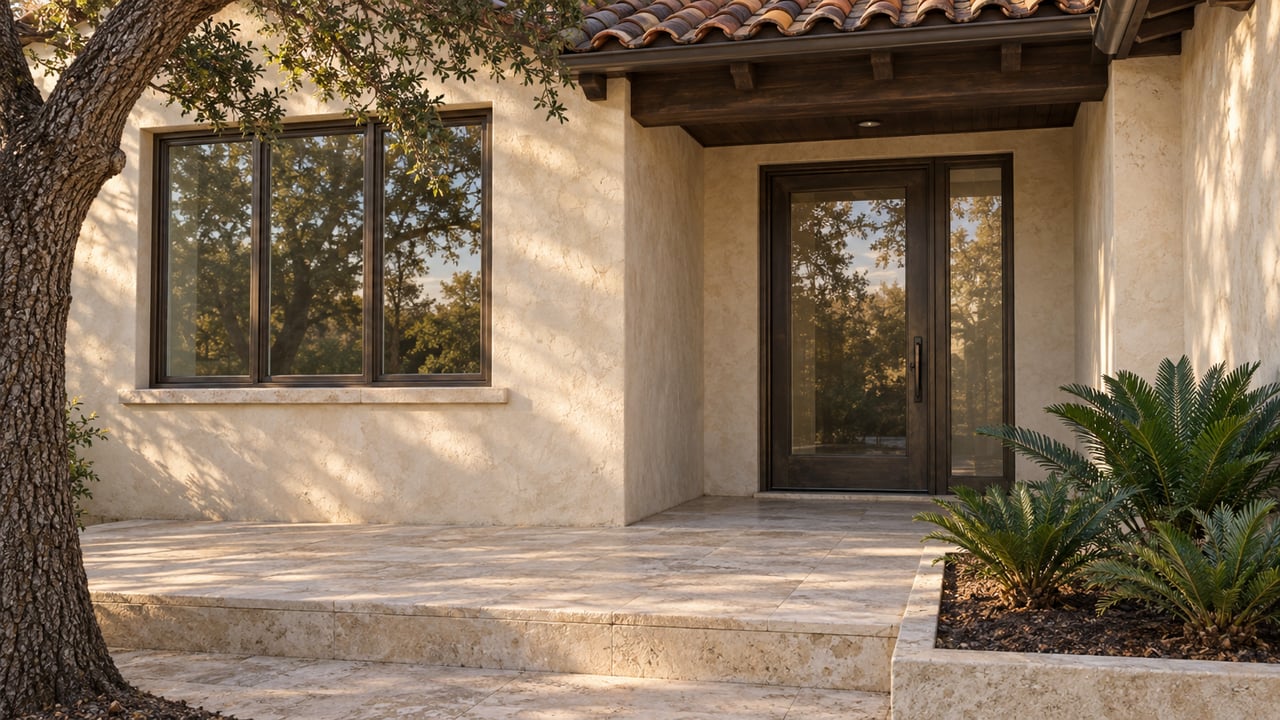
Queen Anne homes tend to be more ornate and asymmetrical. Mission Revival homes are often stucco with flat roofs or parapets and barrel-tile details.
If you are comparing homes from different periods, it helps to look past the style alone. Ask how the age, materials, and exterior details may affect maintenance, insurance, and future renovation plans.
What Historic Ownership Really Feels Like
Historic homes often reward patient owners. Preservation guidance from both the city and national preservation standards emphasizes repair, restoration, rehabilitation, and maintenance that protects original design, materials, and workmanship.
That does not mean every old home becomes a major project. It does mean you should expect an ongoing maintenance mindset. In many cases, the trade-off for character is a longer-term commitment to upkeep.
Inspection Priorities for Older Homes
A standard showing may reveal charm, but an inspection helps you understand condition. For a historic home in Mount Dora, the most valuable inspection focus is often the building envelope, meaning the systems and features that keep water out and protect the structure.
High-value inspection checkpoints include:
- Roof condition
- Gutters and downspouts
- Flashing
- Chimneys
- Exterior walls
- Porches
- Windows
- Foundation and grading
- Entryways and doors
- Attic
- Crawlspace or basement
These areas matter because moisture is often one of the biggest risks in older homes. Preservation guidance recommends checking these features regularly and again after major rain or wind events.
Windows Deserve a Closer Look
Historic windows are often more durable than buyers expect. Preservation guidance notes that many can last for generations with regular maintenance. Before assuming replacement is needed, it is worth understanding whether caulking, weatherstripping, or glazing repair may solve the issue.
If windows are important to you for comfort or energy use, ask detailed questions during inspections. The answer may be more nuanced than “old equals bad.”
Porches, Drainage, and Moisture
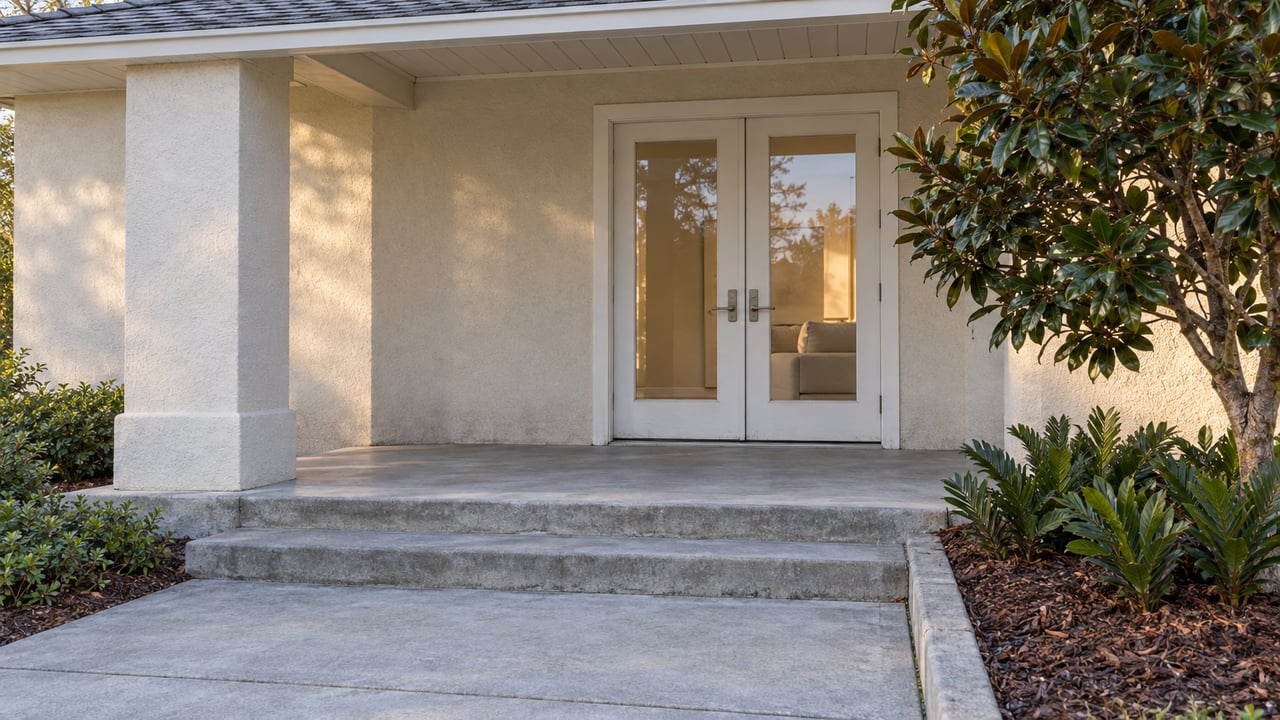
Porches are a huge part of Mount Dora’s historic character, but they are also exposed to weather. Water runoff, standing water, poor grading, and weak ventilation can all create long-term problems.
That is why drainage matters so much. Downspouts, grading, and foundation moisture should all be part of your due diligence, especially in an older home where deferred maintenance may not be obvious at first glance.
Insurance Questions to Ask Early
In Florida, insurance should be part of your early homework, not a last-minute task. Insurers commonly look at the age of the home, construction type, roof age, plumbing and electrical wiring, the electrical panel, HVAC age, and other underwriting factors.
Florida law also gives buyers useful context on roof age. An insurer may not refuse to issue or renew a homeowners policy solely because a roof is under 15 years old. For roofs that are 15 years or older, a homeowner can obtain an inspection from an authorized inspector, and the insurer may not refuse solely because of roof age if the roof has at least five years of useful life remaining.
This does not mean every older roof is easy to insure. Insurers may still use other lawful underwriting criteria. The practical takeaway is simple: get quotes early, especially if the home has an older roof or aging systems.
Ask About Ordinance or Law Coverage
Older homes may face code-related costs when repairs are needed. Florida law requires policy language explaining that code-compliance costs may be limited, and consumer guidance from the state explains that older homes may need additional coverage for repairs required by current building codes.
If you are buying a historic property, ask your insurance professional to explain ordinance or law coverage in plain terms. This is one of those details that can matter a lot after a claim.
Do Not Assume Flood Is Covered
Flood insurance is separate from a standard homeowners policy. FEMA’s National Flood Insurance Program states that most homeowners and renters insurance does not cover flood damage, and building and contents coverage are typically purchased separately with separate deductibles.
There is also usually a 30-day waiting period for a new flood policy unless an exception applies. If flood coverage might be relevant for the property you are considering, it is smart to ask about it early in your buying timeline.
What About Tax Incentives?
Some buyers assume any historic home comes with a tax credit. In reality, that should not be your default assumption. The federal historic rehabilitation tax credit is generally limited to certified historic structures used for a business or other income-producing purpose, and the property must remain income-producing for at least five years after rehabilitation.
Mount Dora also notes that commercial properties within the historic district may be eligible for federal income tax credits, while National Register listing itself does not create regulatory impact on buildings, appraisals, or taxes. For most owner-occupied buyers, this means a federal rehab credit may not apply.
Smart Questions to Ask Before You Buy
If you are serious about buying a historic home in Mount Dora, bring these questions into your search:
- Is the home inside Mount Dora’s local historic review area?
- Will planned exterior changes require a Certificate of Appropriateness?
- What original materials are still in place?
- What repairs have been made to the roof, windows, porch, and drainage?
- Are there current concerns with moisture, grading, or ventilation?
- How old are the roof, electrical components, plumbing, and HVAC?
- What do current insurance quotes look like?
- Is flood insurance relevant for this property?
These questions can help you move beyond surface-level charm and evaluate the home more confidently.
Why the Right Local Guidance Helps
Historic-home purchases often involve more moving parts than a typical sale. You may need to think through inspection timing, insurance timing, local preservation review, and the true cost of future maintenance before making a final decision.
That is where local guidance matters. A buyer’s agent who understands Mount Dora’s historic review process and Florida insurance timing can help you ask better questions, spot possible issues earlier, and keep the process feeling clear instead of overwhelming.
If you are considering a historic home in Mount Dora and want a patient, step-by-step approach, Rebecca Simms can help you navigate the details and buy with confidence.
FAQs
Do historic homes in Mount Dora require special approval for renovations?
- If the property is in the city’s historic review area, exterior alterations, additions, and demolition requests may require a Certificate of Appropriateness.
Does National Register status restrict changes to a Mount Dora home?
- No. Mount Dora states that National Register listing by itself does not create local regulatory impact on buildings, appraisals, or taxes.
What should buyers inspect first in a Mount Dora historic home?
- Focus on the building envelope, including the roof, gutters, flashing, chimneys, exterior walls, porches, windows, foundation, grading, attic, and crawlspace or basement.
Why is insurance more important early in a Mount Dora historic-home purchase?
- Florida insurers often consider roof age, wiring, plumbing, electrical panels, HVAC age, construction type, and other underwriting factors, so early quotes can help you avoid delays or surprises.
Do owner-occupied historic homes in Mount Dora qualify for a federal rehab tax credit?
- Not necessarily. The federal historic rehabilitation tax credit is generally limited to certified historic structures used for a business or other income-producing purpose.