Should you put money into upgrades or price your Altamonte Springs home as‑is and move on? It’s a big decision, especially when time, cash, and peace of mind are on the line. If you want a clear, practical way to choose the best path for your situation, you’re in the right place. In this guide, you’ll get a simple framework, local insights for Seminole County, and a quick worksheet to compare your options with confidence. Let’s dive in.
Altamonte Springs market realities
Recent years shifted Florida from a red‑hot seller’s market toward a more balanced pace as mortgage rates climbed. In balanced conditions, buyers pay closer attention to condition and updates. You’ll want to lean on current data from trusted sources like Florida Realtors and your agent’s neighborhood comps to confirm what buyers value right now.
Altamonte Springs attracts a mix of suburban commuters into the Orlando job market, local households who want parks and convenience, and investors looking for value. Move‑in ready homes often draw more attention from traditional buyers. As‑is properties can appeal to investors or buyers who want to customize.
Seasonality matters. Central Florida sees steady demand, but activity often rises in fall and winter with out‑of‑state interest. If you can time your listing for stronger buyer traffic, you may not need heavy upgrades to sell well.
Step‑by‑step decision framework
Clarify goals and timing
- What is your must‑sell timeframe? Weeks, a couple months, or flexible?
- How much cash can you invest comfortably, and what is your risk tolerance?
- What is your minimum acceptable net after closing costs and any project costs?
Get objective condition data
- Order a pre‑listing inspection covering structure, roof, HVAC, and pests.
- Ask your agent for recent, nearby sold comps from the last 3 to 6 months and note the condition of those homes.
Sort repairs by priority
- Mandatory: Safety issues, code problems, roof leaks, major plumbing or electrical hazards, termite or mold remediation. These often must be fixed or clearly disclosed.
- Highly recommended: Systems near end of life that could kill financing or scare buyers, like a failing roof or nonfunctional HVAC.
- Cosmetic: Paint, curb appeal, hardware swaps, lighting, counters, flooring repairs.
Estimate costs and carrying costs
- Get at least two contractor bids per major item.
- Confirm permit requirements and lead times with Seminole County Development Services.
- Add carrying cost during work: mortgage, taxes, insurance, utilities, and any contractor deposits.
Estimate price impact and appraisal limits
- Use local comps to estimate a realistic price premium for improved condition.
- Consider appraisal risk. Appraisers look to neighborhood norms, so over‑improving beyond local comparables can lead to shortfalls for financed buyers. The National Association of Realtors offers research on buyer behavior that can help your agent set expectations.
Compare the net
Use this simple formula for each proposed project:
- Total project outlay = contractor cost + permits/fees + extra marketing/staging
- Total carrying cost = monthly carrying cost × months of work
- Expected gross lift = estimated price premium based on comps
- Net expected gain = price premium − project outlay − carrying cost − any extra closing costs tied to higher sale price
If the net is clearly positive and the timeline fits your goals, remodeling is likely worth it. If net is small or negative, pivot to light updates and list accordingly.
Projects that pay in Seminole County
The right improvements depend on your home’s condition and neighborhood comps. Broadly, independent industry research like the annual Remodeling Magazine Cost vs. Value report finds that many exterior and small‑scope projects tend to recoup a higher share of cost than big luxury overhauls.
High‑impact quick wins
- Fresh, neutral interior paint for a clean, consistent look.
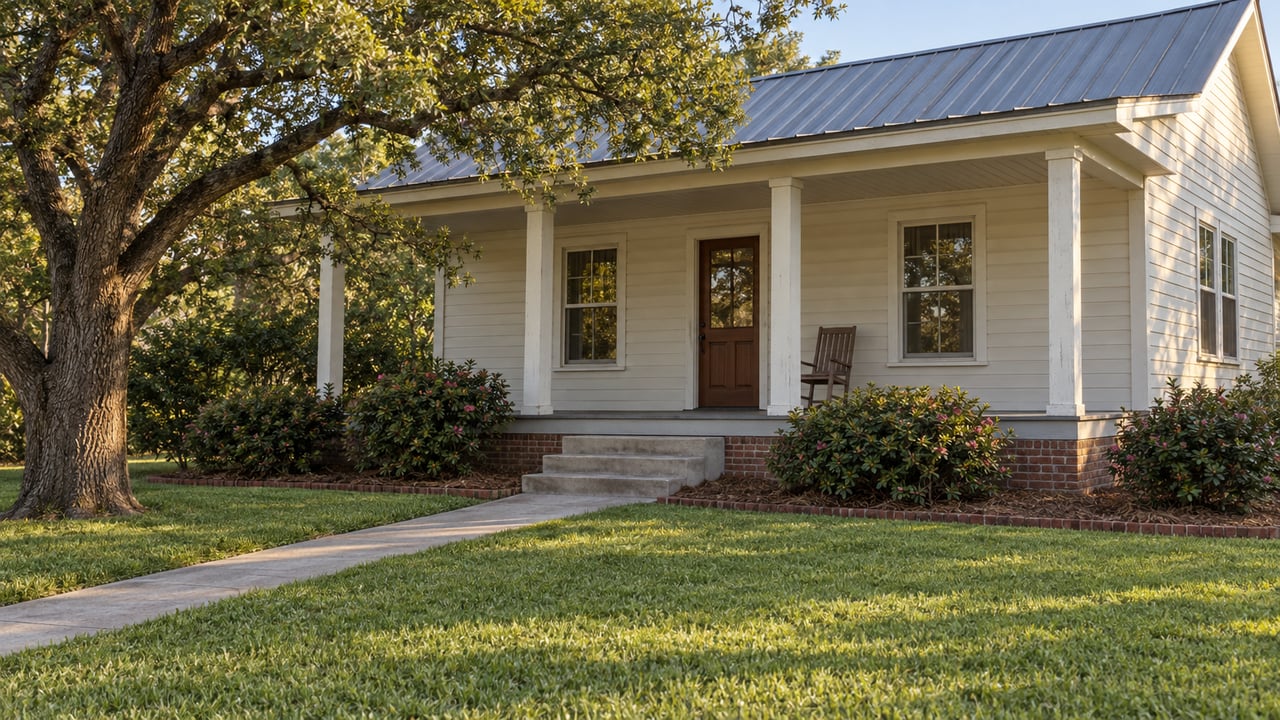
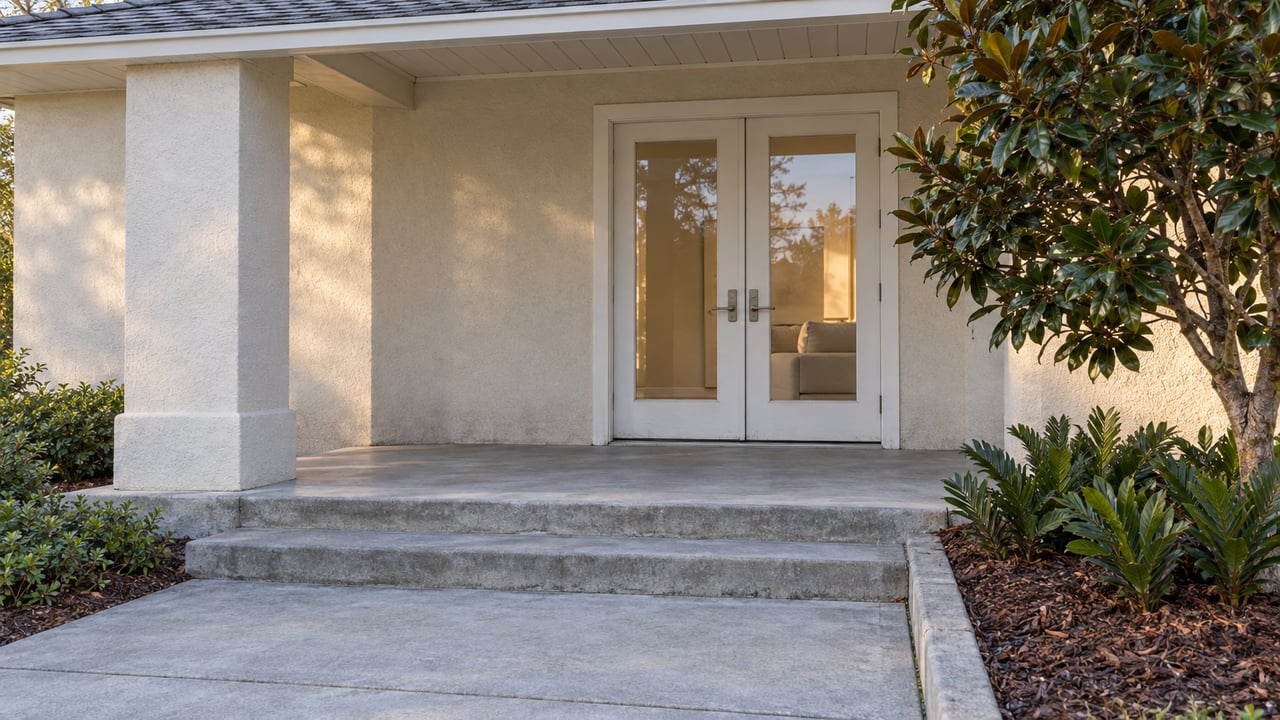
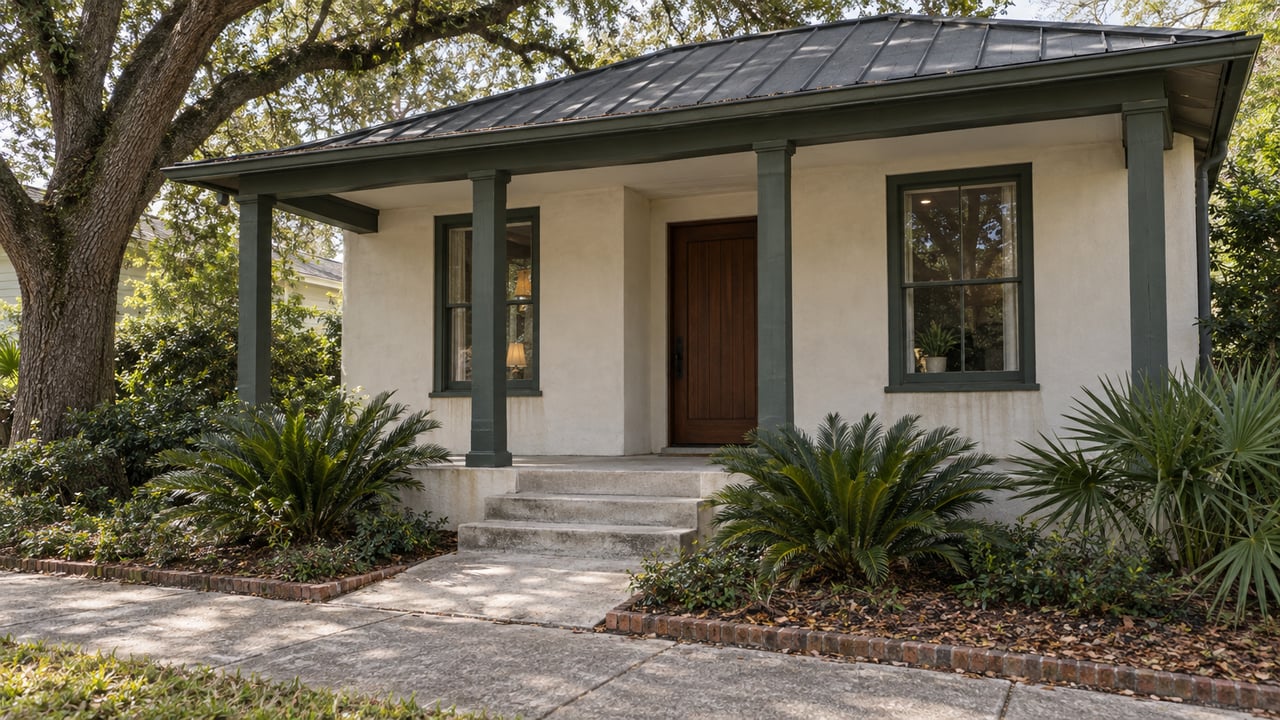
- Curb appeal updates like landscaping, mulch, a modern front door, and a tidy entry.
- Deep cleaning, decluttering, light staging, and professional photography.
- Minor kitchen refreshes: paint cabinets, add new hardware, update lighting, consider durable midrange counters.
- Flooring repairs or targeted replacement with cost‑effective, durable materials.
These are fast, budget friendly, and highly visible in photos and showings.
Must‑fix items
- Roofs with active leaks or near end of life can block financing. Repair or replace, or disclose and price accordingly.
- Electrical or plumbing hazards, termite damage, and any mold or water intrusion should be addressed.
- Nonfunctional or unreliable HVAC units often need repair or replacement to keep deals moving.
Lower‑ROI upgrades
- Full luxury kitchen or bath gut remodels take time and may not pay back if comps are modest.
- Room additions require long timelines, permits, and significant cash.
- Highly personalized finishes limit your buyer pool and increase appraisal risk.
Florida‑specific risks and rules
Permits and inspections
Florida enforces the Florida Building Code. Structural, electrical, plumbing, roofing, and HVAC work typically requires permits and county inspections. Unpermitted work can delay closing, trigger buyer demands, or create insurance issues. Confirm what your project needs with Seminole County before you start.
Insurance and hurricane resilience
Older roofs, non‑impact windows, and non‑rated doors can affect insurability and premiums. Some upgrades that improve resilience, like impact windows or roof improvements, may be attractive to buyers and insurers. Discuss expected benefits with your insurance carrier before you invest.
Flood zones and mitigation
Altamonte Springs includes areas that may be near flood zones. Buyers and lenders look at flood risk and insurance costs. You can check official mapping tools using the FEMA Flood Map Service Center to understand your property’s status and discuss mitigation options.
Financing and appraisal considerations
If your buyer uses a government‑backed loan, property condition matters. FHA guidelines, for example, can flag safety issues or major defects. You can review general standards at HUD’s official site and work with your agent to plan repairs or credits if needed.
When listing as‑is makes sense
Selling as‑is can be smart when:
- You need to sell quickly and do not have a long project timeline.
- Repairs are extensive and the cash outlay would be too high.
- Investor demand is healthy in your area and your price can reflect condition.
Even with an as‑is strategy, small, low‑cost moves help your outcome:
- Declutter, deep clean, and consider light staging to improve photos and showings. The National Association of Realtors reports that staging and presentation can influence buyer perception and time on market.
- Knock out inexpensive, obvious fixes like leaky faucets, broken tiles, or burnt‑out bulbs.
- Price with clear alignment to condition and nearby comps, and decide in advance whether you will offer a credit for buyer updates.
Quick worksheet to run numbers
Use this mini worksheet for each project you’re considering. Replace the blanks with your estimates and agent‑validated comps.
Project name: __________
Project scope: ___________________________________
- Contractor estimate (C): $_____
- Permits and fees (P): $_____
- Marketing or staging add‑ons (M): $_____
- Carrying cost per month: $_____ × months of work _____ = K: $_____
- Expected price premium based on comps (ΔPrice): $_____
Calculations
- Total project outlay = C + P + M = $_____
- Total carrying cost = K = $_____
- Net expected gain = ΔPrice − Outlay − K − extra closing costs = $_____
Example
- Minor kitchen refresh
- C = $8,000, P = $0, M = $500
- K = $2,000 over 2 months
- ΔPrice = $12,000
- Net = $12,000 − $8,500 − $2,000 = $1,500
If your net is slim, consider doing only priority and high‑impact cosmetic items, then list with pricing aligned to condition.
Sample paths for common situations
- You can wait 60 to 90 days and have modest cash. Tackle paint, curb appeal, a minor kitchen or bath refresh, and any must‑fix inspection items. Position as move‑in ready at a competitive price based on nearby updated comps.
- You need to close within a month, and big repairs are looming. Focus on safety fixes and presentation, price as‑is, and target buyers or investors who plan to renovate.
- You’re unsure what buyers expect in your specific neighborhood. Study fresh local comps and ask your agent whether buyers there will pay for finished selections or prefer to customize after closing.
Your next step
You do not need to guess. A short planning session can save weeks of time and thousands of dollars. If you’re weighing updates against an as‑is sale in Altamonte Springs, get a custom plan that fits your timeline, budget, and neighborhood comps. Schedule your free strategy call with Rebecca Simms to map the highest‑confidence path to your goals.
FAQs
Should I remodel before selling in Altamonte Springs?
- It depends on your timeline, budget, and local comps; in today’s more balanced market, targeted fixes and small updates often outperform major remodels, according to trends from Florida Realtors and NAR.
What repairs are usually mandatory to sell a home in Florida?
- Safety and code issues, active roof leaks, major electrical or plumbing hazards, and termite or mold remediation typically need to be addressed or properly disclosed and priced.
How do permits work in Seminole County?
- Florida Building Code applies and Seminole County issues permits for structural, electrical, plumbing, roofing, and HVAC work; confirm requirements and timelines with County Development Services before starting.
Will an FHA loan require certain repairs on an as‑is sale?
- FHA appraisals can flag safety and habitability issues; check general guidelines at HUD’s official site and discuss repair or credit strategies with your agent.
Does staging matter if I list as‑is?
- Yes; decluttering, light staging, and professional photos often improve buyer perception and reduce days on market, supported by NAR research.
How do hurricanes and insurance affect remodel decisions?
- Roof age, window and door ratings, and flood risk can influence insurance availability and premiums; check flood status via the FEMA Flood Map Service Center and talk to your insurer before investing in upgrades.