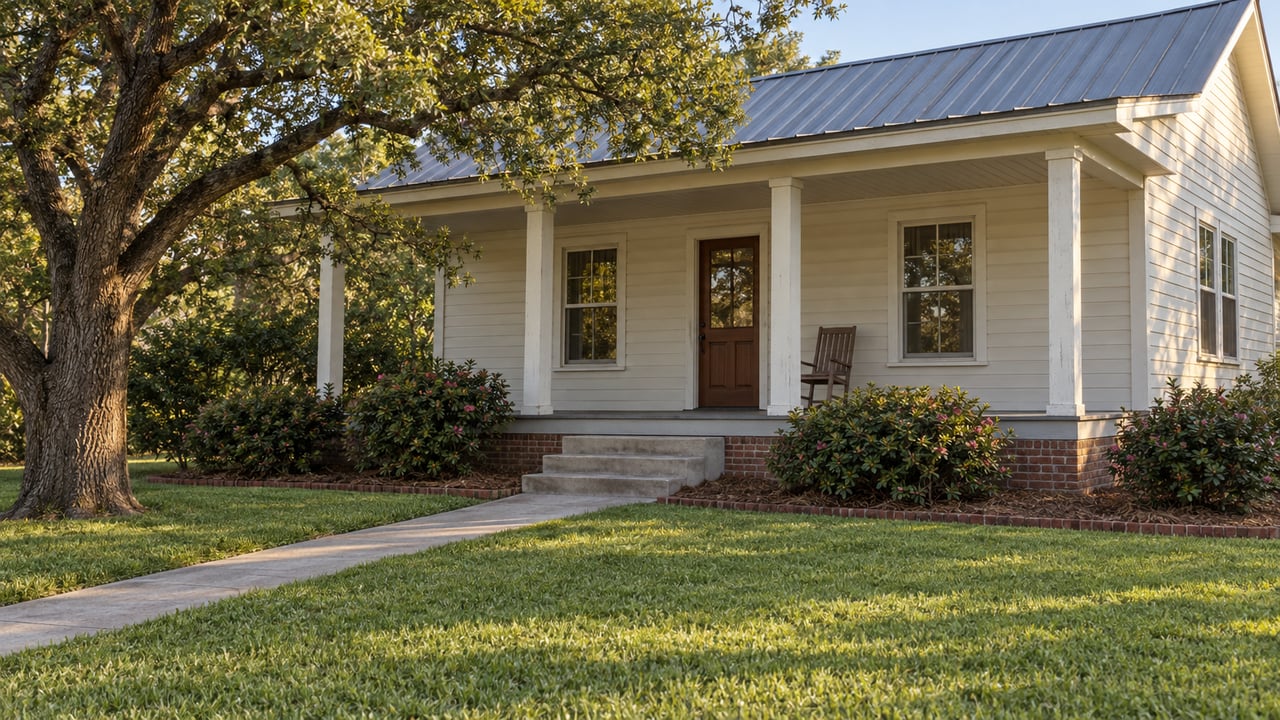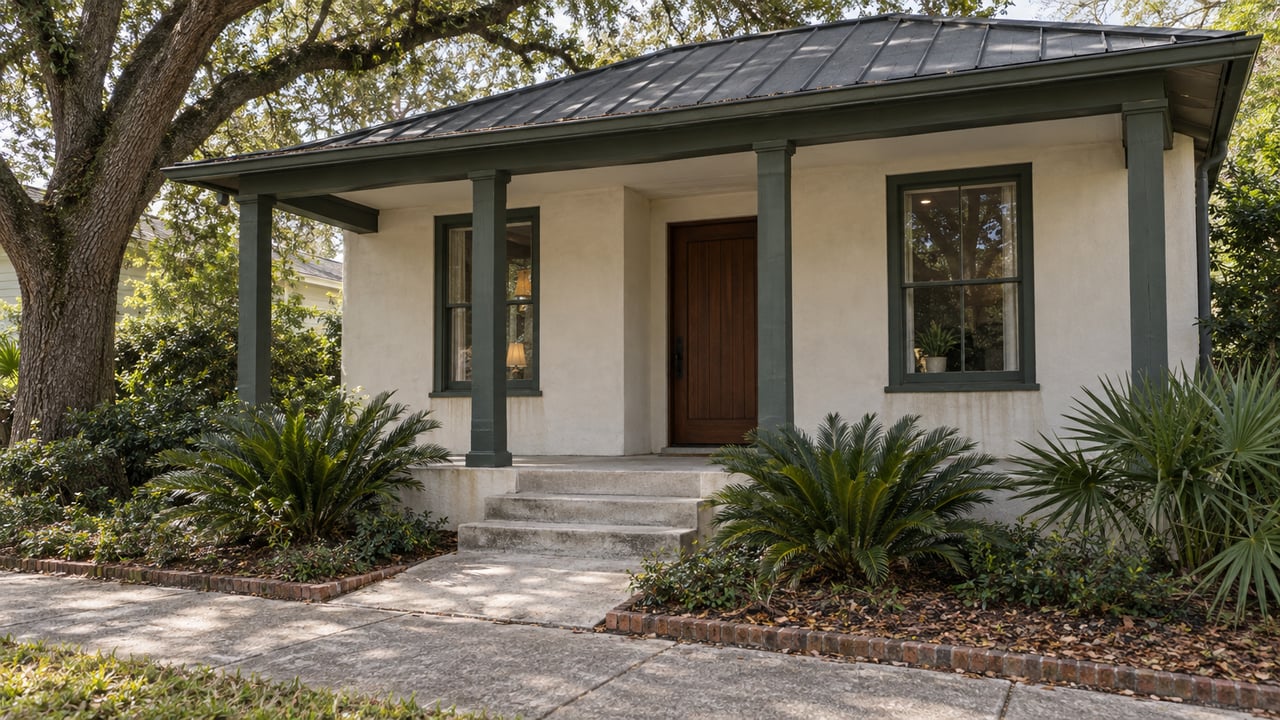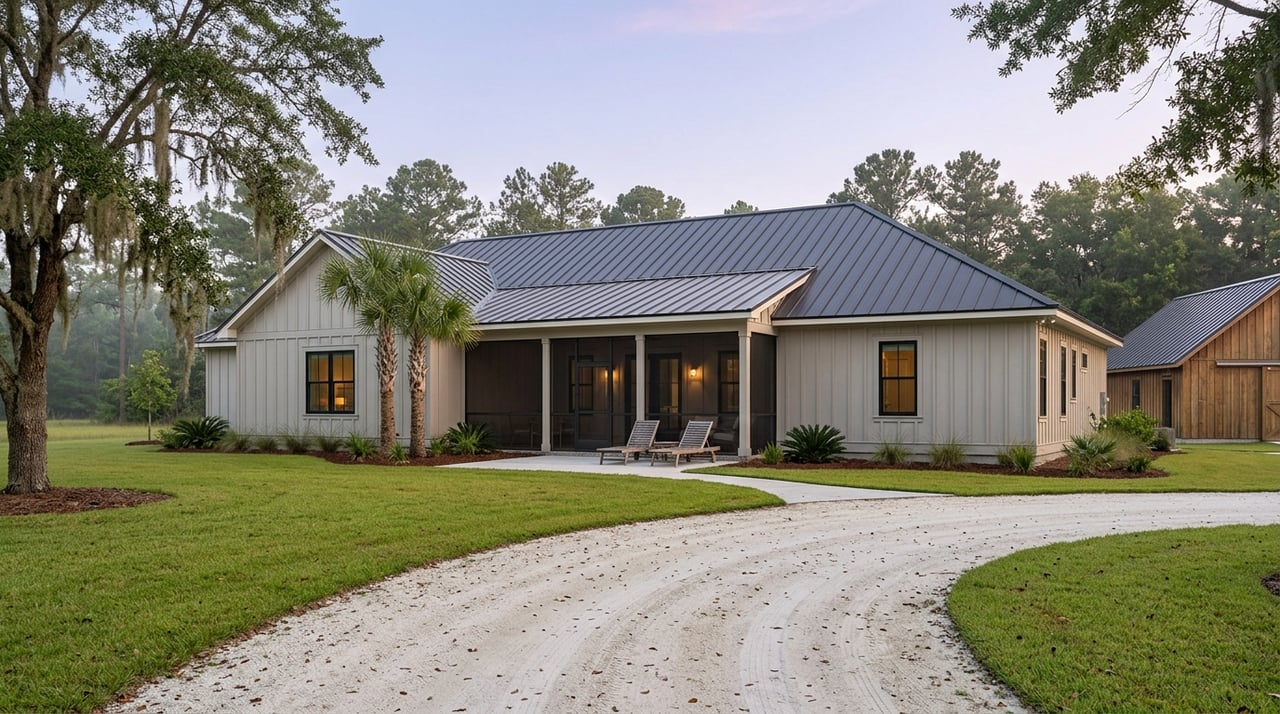
Are you dreaming about room to spread out in Sorrento, only to realize that acreage works very differently than a typical neighborhood lot? That is a smart instinct. Buying country property can open up more flexibility, but it also comes with extra questions about land use, wells, septic, access, and upkeep. This guide will help you understand what to look for so you can move forward with more confidence. Let’s dive in.
Why Sorrento Acreage Feels Different
In the Sorrento area, acreage is not just a bigger version of a suburban homesite. Lake County’s planning framework includes rural land use categories and special protection areas that shape how land can be used and developed. That means two properties with similar acreage can have very different possibilities.
Lake County also recognizes agricultural and equestrian uses across its broader future land use framework. For you as a buyer, that can make country property appealing if you want more open space or land that supports a rural lifestyle. Still, the exact rules depend on the parcel, so property-specific review matters.
Rural Density Matters
One of the biggest differences is how density is handled. In Lake County’s Rural category, the baseline is 1 dwelling unit per 5 acres. In Rural Transition, the standard can also be 1 dwelling unit per 5 acres, or in some clustered cases, 1 dwelling unit per 3 net buildable acres.
That is important because acreage value is not only about how many acres you see on a listing. It is also about future land use, site planning, and what the county allows on that specific parcel. A property that looks straightforward on paper may require deeper review before you make plans.
Utilities Work Differently on Rural Property
One of the most practical differences between Sorrento-area acreage and a suburban home is utilities. In Lake County’s rural areas, central water and sewer are generally not intended or required in the Rural Future Land Use Series. Many properties rely on individual wells and septic systems instead.
If you are used to a standard subdivision, that changes your due diligence checklist right away. A well and septic setup affects where you can place additions, how you use the yard, and what site improvements may be possible later. It is not a deal breaker, but it is something you want to understand early.
Septic Planning Is Part of the Purchase
For a new septic permit in Lake County, the Department of Health requires zoning clearance and a scaled site plan. That plan must show lot boundaries, buildings, easements, septic tank and drain field locations, wells, drainage features, flood lines, and even proposed additions like garages, barns, sheds, or pools.
This is a big reason country property needs a closer look before closing. Features that seem simple, like a detached barn or future pool, may depend on septic placement and setbacks. A clear site plan can help you understand how much of the land is truly usable for your goals.
Well Verification Should Happen Early
Lake County is one of the counties delegated to perform well permitting, with statewide well construction rules still applying through Florida’s broader system. For buyers, that means well status, placement, and permitting should be verified early in the process.
If a property already has a well, you will want to confirm its location and documentation. If you are buying vacant or lightly improved land, early verification can help you avoid surprises later. On acreage, these details affect both budget and planning.
Land Features Can Limit Your Options
Large-acreage properties in the Sorrento area may fall within the Wekiva Study Area or related protection categories. Lake County says development in the Wekiva Study Area must conform to the Wekiva Parkway and Protection Act and local land development regulations. For projects of 40 acres or more, required soils and habitat studies can also come into play.
This does not mean you should avoid acreage. It means you should look beyond the listing description and understand the land itself. Environmental overlays and development standards can affect timelines, costs, and what can be built or changed.
Sensitive Areas Need Extra Attention
Lake County’s planning framework says zoning and development review should consider wetlands, flood hazards, karst features, tree canopy, wildlife corridors, and other sensitive natural resources. The county also calls for setbacks of 300 feet from springs, 100 feet from spring runs, and 100 feet from karst features.
For you, this means a beautiful parcel may also have limits on where structures or improvements can go. Those limits can influence driveway placement, barn locations, fencing layouts, and future additions. A wide-open view does not always equal fully buildable space.
Accessory Features Need Review Too
Acreage properties often come with more than just a house and land. You may also find barns, sheds, pools, long driveways, fenced areas, wells, and septic drain fields. Each of those features can affect permitting, setbacks, drainage, and access.
Lake County’s septic permit process specifically asks applicants to map many of these items on the site plan. That tells you how connected these features really are. On country property, one improvement often affects another.
Think About How You Will Use the Land
Before you fall in love with a parcel, think through your day-to-day plans. Do you want room for equipment, space for animals, a workshop, or a future outbuilding? Those goals are worth discussing early because site constraints can shape what is realistic.
This is where a patient, step-by-step approach matters. When you understand the property’s layout and limitations up front, you can make a decision based on facts instead of assumptions.
Horse Property Requires Real Planning
If you are searching for acreage with horses in mind, pasture capacity deserves careful attention. UF/IFAS notes that an average bahiagrass pasture may need about 2 to 2.5 acres per mature horse. Better-managed bermudagrass or winter forage may support a mature horse on about 1 to 1.5 acres.
That rule of thumb helps, but management matters too. UF/IFAS emphasizes fencing, pasture subdivision, and rotational grazing to help prevent overgrazing and pasture loss. In other words, acreage alone does not tell the whole story.
Overstocking Can Create Problems Fast
UF/IFAS also warns that too many horses on too little land can damage pasture and increase weed pressure. A sacrifice area may be needed at times, and rotational grazing helps protect the land. If horse use is part of your plan, you will want to evaluate both the acreage and how the land is set up.
That can make one property a much better fit than another, even if the total number of acres looks similar online. Layout, forage, fencing potential, and drainage all matter.
Septic Drain Fields Affect Landscaping
A septic drain field is not just an invisible system underground. It affects how you manage the land above it too. UF/IFAS advises directing roof and gutter runoff away from the drain field, keeping irrigation at least 10 feet away, avoiding heavy traffic and soil compaction, and using only shallow-rooted plants.
A detailed survey showing the drain field location is especially helpful on acreage. Without that information, it is easy to make costly mistakes with landscaping, parking, or future improvements.
What Not to Put Near a Drain Field
UF/IFAS says trees and shrubs should not be planted on or near the drain field. It also warns against planting edible crops or vegetable gardens near the septic tank or drain field. Turf over the drain field should not be fertilized.
This is a good example of how usable land on a country property may be more limited than it first appears. Your garden plan, landscape design, and outdoor living ideas all need to work with the site systems already in place.
Agricultural Classification Has Specific Rules
Some buyers look at acreage and assume it will automatically qualify for agricultural classification. In Lake County, that is not how it works. The property appraiser says agricultural classification requires bona fide commercial agricultural use, and the application must be filed between January 1 and March 1.
The office also states that a residence on the property removes at least one acre from agricultural classification. If this topic matters to you, it is worth asking targeted questions before you close. The details can affect your expectations and long-term planning.
Ongoing Maintenance Is Part of the Lifestyle
Acreage can be rewarding, but it usually requires more upkeep than a smaller lot. Pasture management, drainage, mowing, fencing, and tree care all take time and planning. If you want country living, it helps to go in with realistic expectations.
Lake County code enforcement is also part of the picture for improved property. The county says uncultivated vegetation over 10 inches on improved property is a code issue. The county also says tree clearing or removal requires an application and permit.
Plan for Site Management
Lake County’s site development guidance also references lot-grading requirements and Florida-Friendly Landscaping practices. That means maintenance is not only about appearances. It is also about how the land drains, how features are placed, and how the site is managed over time.
A little extra homework before you buy can save a lot of stress later. On acreage, the easiest property to enjoy is often the one that already fits your goals and maintenance comfort level.
A Smart Buyer Checklist for Sorrento Acreage
When you are evaluating country property in Sorrento, keep your due diligence focused on the basics that shape long-term use. A careful review now can help you avoid expensive surprises later.
Here are some of the most important items to confirm:
- Verify the zoning and future land use category.
- Check whether the parcel falls in the Wekiva Study Area or another protection category.
- Ask whether wetlands, flood hazards, karst features, or other sensitive natural resources are present.
- Confirm septic feasibility and review drain field location if a system already exists.
- Verify well status, location, and permitting.
- Review access, easements, and site constraints affecting barns, sheds, pools, or additions.
- Ask whether the property could qualify for agricultural classification based on actual use.
- Consider how much ongoing land maintenance the property will require.
Lake County’s Planning & Zoning office is the local starting point for land development review in unincorporated areas. The county health department and the property appraiser are also key local resources when you are sorting through property-specific questions.
If you are considering acreage in Sorrento and want a clear, step-by-step buying experience, Rebecca Simms can help you evaluate the details, ask the right questions, and move forward with confidence.
FAQs
What makes acreage property in Sorrento different from a suburban lot?
- Acreage property in Sorrento is shaped more by parcel-specific land use, rural density rules, wells, septic systems, and environmental constraints than by standard subdivision patterns.
What utilities should you expect on rural property in Sorrento?
- Many rural properties in the Sorrento area rely on individual wells and septic systems because central water and sewer are generally not intended or required in Lake County’s Rural Future Land Use Series.
What should you verify before buying acreage in Sorrento?
- You should confirm zoning, future land use, septic and well feasibility, access, environmental features such as wetlands or karst, and any permitting or site-planning issues before closing.
What should horse buyers know about acreage in Sorrento?
- Horse buyers should look at both total acreage and land management, since UF/IFAS notes that pasture needs can range from about 1 to 2.5 acres per mature horse depending on forage and management.
What is agricultural classification for Lake County acreage?
- In Lake County, agricultural classification requires bona fide commercial agricultural use, must be applied for between January 1 and March 1, and a residence removes at least one acre from classification.
What maintenance issues come with country property in Sorrento?
- Country property often requires more active mowing, pasture care, fencing, drainage attention, and tree management, and Lake County says uncultivated vegetation over 10 inches on improved property can be a code issue.