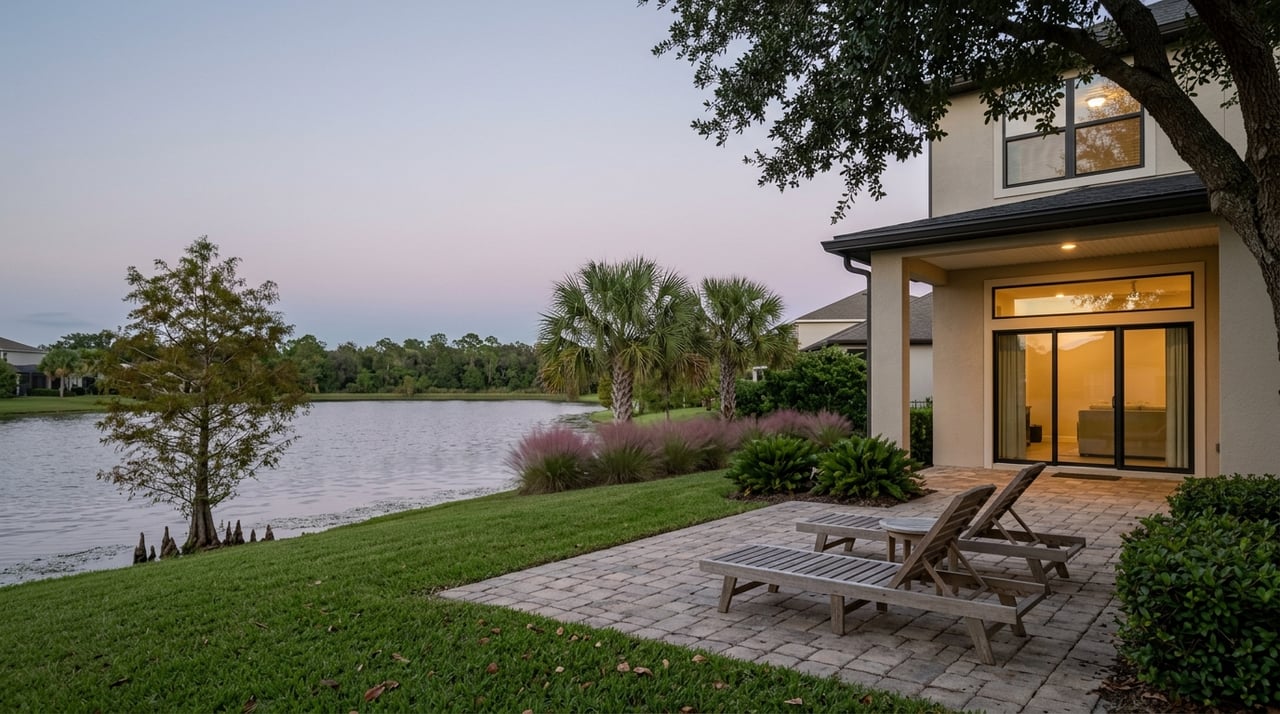
Wondering what day-to-day life in Winter Springs really feels like? If you are comparing Central Florida suburbs, it helps to look beyond home prices and square footage and focus on how a place supports your routine. From parks and trails to shopping corridors and housing choices, here’s a practical look at what everyday living and amenities in Winter Springs can offer you. Let’s dive in.
Winter Springs at a Glance
Winter Springs is a Seminole County suburb with an estimated 39,822 residents as of July 1, 2025. The city describes itself as a residential community about 20 minutes northeast of downtown Orlando, which gives you a sense of its suburban setting and regional access.
The numbers also suggest a market with some stability. Census data show that 91.5% of residents lived in the same house one year earlier, and the owner-occupied housing rate is 76.1%. For many buyers, that points to a community where people tend to stay put.
Daily life here is shaped by a mix of neighborhood livability, parks, and community events. The city’s own overview highlights quality of life as a core part of Winter Springs’ identity, which lines up with what many homebuyers want in a suburban move.
Parks and Outdoor Spaces
One of the biggest draws in Winter Springs is how easy it is to spend time outdoors. Instead of relying on one single destination, the city has a park system spread across the community, which can make recreation feel more built into daily life.
Central Winds Park is one of the main local hubs. According to the city, it includes ballfields, a nature trail, a dog park, playgrounds, pavilions, and courts, making it a flexible option whether you want exercise, open space, or a place to meet up with friends and family.
Trotwood Park adds more variety with a splash playground, boardwalk, fishing pier, pickleball, and other family-use amenities. Sunshine Park includes the Senior and Civic Center, along with a community room, kitchen, and therapy pool.
The city also lists neighborhood green spaces like Torcaso Park and Winding Hollow Park. That wider distribution matters because it means outdoor access is not limited to one part of town.
Trail Access for Walking and Biking
If you enjoy paved trails, Winter Springs has access to one of the stronger regional options in Seminole County. The Cross Seminole Trail is a 23-mile paved multi-use trail and part of the Florida Coast-to-Coast Trail.
For Winter Springs specifically, Seminole County identifies a trailhead at Black Hammock Trailhead on SR 434. That can be a real plus if you want a regular route for biking, jogging, or longer weekend walks.
For a more local nature walk, Bear Creek Nature Trail offers a shorter option within Winter Springs. The trail runs alongside Bear Creek and includes small bridges and picnic tables, which gives you another choice for a lower-key outdoor break.
Community Events and Local Rhythm
Amenities are not only about buildings and parks. They are also about how a city creates routine gathering points throughout the year.
Winter Springs highlights recurring events such as Celebration of Freedom, Hometown Harvest, the Winter Wonderland parade, and Town Center events. These kinds of events can draw large crowds and help reinforce the city’s neighborhood-oriented feel.
If you are trying to picture everyday living, this matters. A place with regular public events often gives you more ways to plug into the community beyond your immediate block or subdivision.
Shopping, Dining, and Everyday Errands
When you think about convenience, Winter Springs follows a suburban corridor pattern rather than a dense, walk-everywhere downtown pattern. That means many daily errands and dining trips are centered around key roadways and planned commercial areas.
The city identifies Winter Springs Town Center at SR 434 and Tuskawilla Road as its mixed-use downtown heart. It includes shopping, dining, entertainment, and living options, and the city says Town Center events can draw roughly 4,000 to 5,000 people.
At full build-out, the city says the Town Center could include up to 800,000 square feet of retail, 600,000 square feet of office space, 700 hotel units, and 4,000 residential units. For you as a buyer, that signals a long-term center of activity rather than a small standalone retail pocket.
Outside the Town Center, the city’s comprehensive plan says most commercial activity is concentrated along SR 434, U.S. 17-92, and SR 419, with additional nearby access tied to the Oviedo Marketplace area. Typical commercial uses include retail stores, convenience stores, gas stations, professional offices, banks, personal services, and restaurants.
What the Shopping Pattern Feels Like
This part is useful because it helps set expectations. Winter Springs is not described as having a traditional dense main street environment.
Instead, the comprehensive plan describes much of its commercial growth as strip commercial with one-story buildings and surface parking. In practical terms, that usually means you will drive between errands rather than do them all on foot in one compact district.
Libraries and Civic Amenities
For civic and learning resources, Winter Springs residents are served by the Seminole County Public Library system. The system has five branches, and nearby branches include the Central Branch in Casselberry and the East Branch in Oviedo.
The library system offers public meeting rooms, Wi-Fi, e-books, and community programming. If you value access to quiet workspaces, public resources, or local programming, that is another piece of the everyday-living picture.
Housing Options in Winter Springs
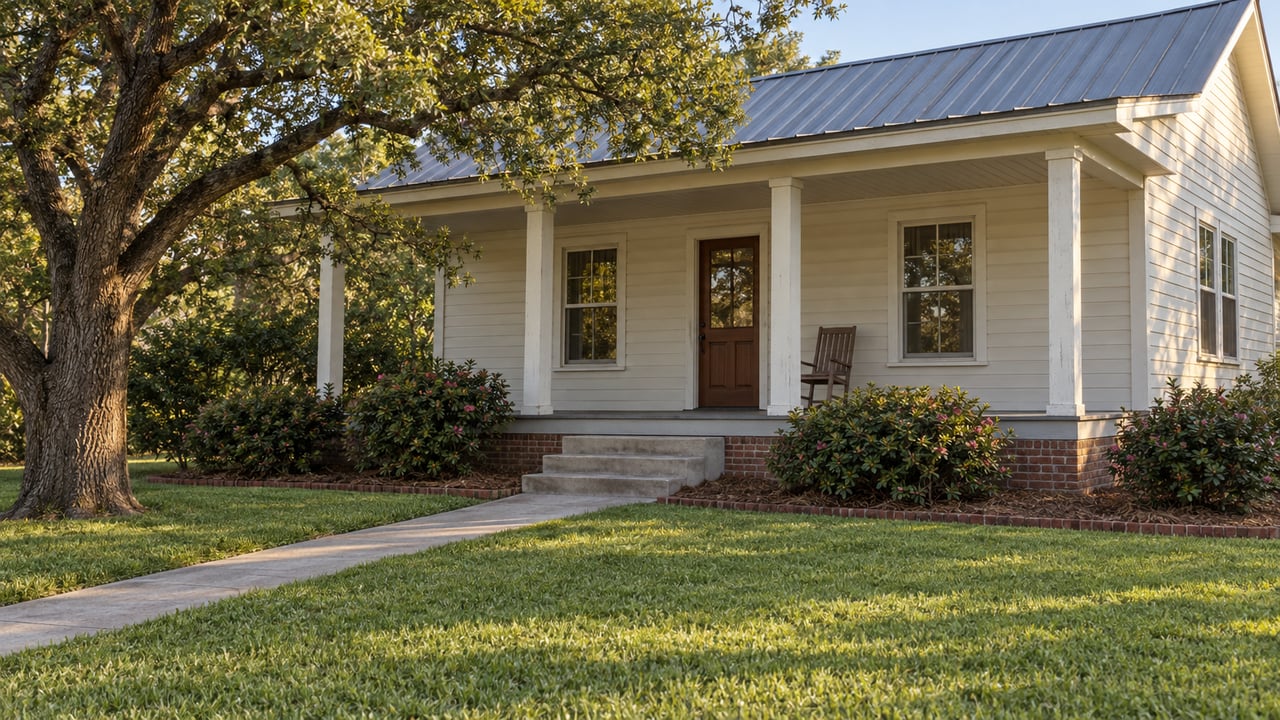
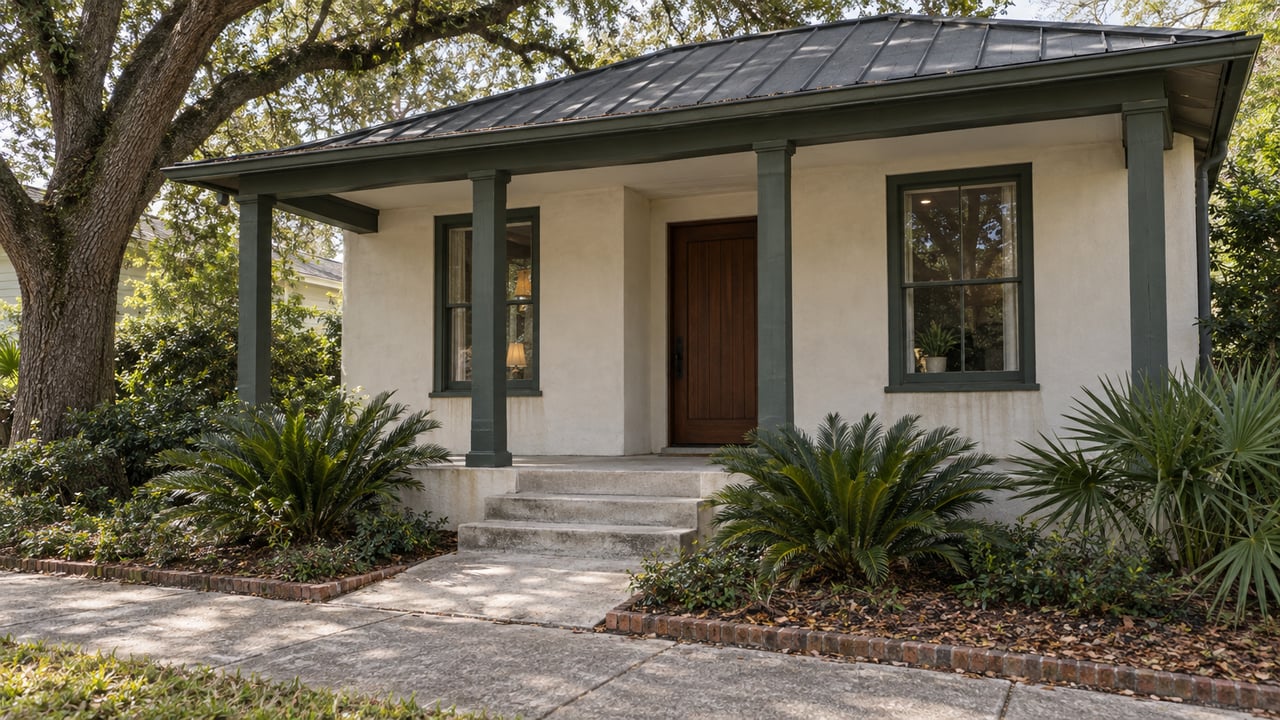
Winter Springs was originally founded as a residential community, and that history still shows in its housing mix. The city’s comprehensive plan says housing options range from zero-lot-line single-family detached homes to estate lots, along with patio homes, duplexes, townhomes, condominiums, manufactured or mobile homes, apartments, and a small number of garage apartments.
Single-family homes remain the most predominant housing type. Census Reporter data also support that picture, showing that roughly 79% of housing units are single-unit structures.
A large share of the housing stock was built between 1970 and 1990, often in planned unit developments with active HOAs. If you are home shopping here, that can help explain the look and layout of many neighborhoods you may tour.
Is Winter Springs Mostly Owner-Occupied?
Yes, the available data point that way. The Census Bureau reports a 76.1% owner-occupied rate, which is relatively high and consistent with the city’s suburban residential character.
That owner-occupied pattern can matter if you are looking for a community with a more settled feel. It also fits with the earlier Census data showing that most residents lived in the same house one year earlier.
Price Context for Buyers and Sellers
If you are trying to gauge affordability, it helps to separate broad market context from exact pricing on any one home. The Census Bureau reports a median owner-occupied home value of $378,700, while recent market trackers place current sale and listing activity more broadly in the low-to-mid $400,000s.
Recent examples from market trackers vary. Zillow reports a median sale price of $423,750 in March 2026, Realtor.com shows about $414.9K in January 2026, and Redfin reports $446K in March 2026.
That spread is a good reminder that online market pages are directional, not exact. If you are buying or selling in Winter Springs, the right pricing conversation depends on property type, condition, location within the city, and current competition.
The same Census profile reports a median gross rent of $1,867 and median monthly owner costs with a mortgage of $1,974. Those figures can be helpful if you are comparing the cost of renting versus owning in this part of Seminole County.
Commute and Daily Routine
Commute time shapes daily life more than many people expect. The Census Bureau reports an average commute time of 29.1 minutes in Winter Springs.
That number will not predict your exact drive, of course, but it does give you a general idea of the pace of suburban living here. Combined with the city’s location about 20 minutes northeast of downtown Orlando, Winter Springs fits the profile of a community where many residents balance local neighborhood life with regional commuting patterns.
What Everyday Living Feels Like
Put all of this together, and Winter Springs reads as a park-oriented suburban city with a strong residential base. You have multiple outdoor spaces, access to a major regional trail, a mixed-use Town Center, and shopping concentrated along major corridors.
You also have a housing stock that leans heavily toward owner-occupied single-family homes, while still offering townhomes, condos, apartments, and other options. For many buyers, that combination creates a practical blend of neighborhood living, routine convenience, and access to recreation.
If you are considering a move to Winter Springs, the biggest question is not only whether you like a specific house. It is whether the city’s rhythm, layout, and amenities match the way you want to live every day.
If you want help comparing Winter Springs with other Central Florida suburbs, or you are trying to understand what today’s local market means for your next move, Rebecca Simms can guide you with clear, patient advice and local insight.
FAQs
What is everyday life like in Winter Springs, Florida?
- Winter Springs offers a suburban lifestyle shaped by neighborhood parks, community events, shopping corridors, and a housing mix led by owner-occupied single-family homes.
What parks and trails are available in Winter Springs?
- Winter Springs features Central Winds Park, Trotwood Park, Sunshine Park, neighborhood parks, Bear Creek Nature Trail, and access to the 23-mile Cross Seminole Trail.
Where do people shop in Winter Springs?
- Many residents shop and run errands at Winter Springs Town Center and along the main commercial corridors on SR 434, U.S. 17-92, and SR 419.
What types of homes are common in Winter Springs?
- Single-family homes are the most common, but the city also includes townhomes, condos, duplexes, apartments, manufactured or mobile homes, and some mixed-use housing near Town Center.
What is the typical home price range in Winter Springs?
- Recent market trackers place Winter Springs broadly in the low-to-mid $400,000s, though exact pricing depends on the home’s location, condition, size, and current market activity.